

How to Stay Anonymous on Gambling Platforms
Anonymity online isn’t just about hiding your name — it’s about controlling your digital footprint. When you gamble on South African platforms, your personal and financial data is constantly in motion: from your device to the casino’s servers, then through payment providers. Staying “anonymous” here means reducing unnecessary exposure of that data, while still following local laws. Think of it like wearing sunglasses in public — you’re still visible, but harder to recognise.
Why Anonymity Matters for South African Gamblers
South Africa’s online gambling industry is a unique mix of regulated provincial betting services and offshore platforms that operate in a grey legal space. This diversity means that player data can end up in very different types of systems, each with its own security standards — or lack thereof. For many gamblers, the concern isn’t just about following the rules but about knowing exactly where their personal and financial information is stored and who has access to it. With cybercrime steadily increasing in the region, the stakes for protecting that information are higher than ever.
One of the most important reasons players seek anonymity is the protection of financial data. Online gambling transactions involve sensitive banking details, credit card information, or e-wallet credentials that can be targeted by hackers. Even a single breach could expose personal accounts to fraud. By taking steps to remain anonymous — such as using prepaid vouchers or privacy-focused payment methods — players reduce the amount of identifiable data shared with gambling platforms, making it harder for cybercriminals to exploit them.
Privacy is also about avoiding the constant bombardment of targeted advertising and intrusive marketing. Gambling platforms and their affiliates often collect data to build detailed player profiles, which are then used to push promotional emails, text messages, and even tailored ads on unrelated websites. For those who value a clean inbox and a less cluttered online experience, anonymity acts as a shield against these persistent digital marketers. It allows players to engage with gambling services on their own terms, without being followed around by offers they didn’t ask for.
Finally, many South African players simply want to keep their gaming habits private from third-party tracking. This includes everything from data brokers to internet service providers that can log browsing activity. While gambling is legal in certain forms, social stigma and personal preference still play a role in why people prefer discretion. Whether it’s avoiding judgment from peers, preventing unnecessary exposure to financial institutions, or just maintaining a personal boundary between entertainment and everyday life, anonymity gives gamblers control over their own narrative — ensuring their leisure activities remain exactly that: private and on their own terms.
Know the Legal Framework First
Before you think about staying anonymous while gambling online in South Africa, it’s essential to understand the legal framework that governs the industry. The laws are designed to protect players, regulate operators, and prevent illegal activities such as money laundering. However, they also dictate what kind of personal information you must share in order to play legally. Knowing these rules will help you find the right balance between enjoying privacy and staying compliant.
- The National Gambling Act is the cornerstone of gambling regulation in South Africa. It primarily governs land-based casinos, sports betting, and certain forms of online betting, such as licensed provincial sportsbooks. While it sets national standards for fair play and responsible gambling, it also determines the boundaries of what’s considered legal gambling. If you’re planning to stay anonymous, you need to understand which activities are covered under this law and which fall outside its jurisdiction. This will prevent you from accidentally engaging with platforms that operate illegally under South African law.
- Provincial licensing laws add another layer of complexity. Each province — such as Western Cape, Gauteng, and KwaZulu-Natal — has its own gambling board and unique licensing requirements for operators. This means that an online bookmaker licensed in one province may not be authorised to operate in another. For players seeking anonymity, it’s important to choose platforms licensed in provinces with strong privacy protections, while also ensuring that the operator is fully compliant with local rules. Ignoring provincial laws could put you at risk of account closures or disputes over winnings.
- The Financial Intelligence Centre Act (FICA) is particularly relevant when it comes to anonymity. This law requires gambling operators and financial institutions to verify the identity of players before processing transactions. This means you will need to provide valid identification documents when making deposits or withdrawals on licensed platforms. While this limits complete anonymity, you can still minimise exposure by sharing only the legally required information and using privacy-conscious payment methods. Understanding FICA is crucial, as attempting to bypass verification could result in blocked transactions or frozen accounts.
- Ultimately, if you want to gamble both legally and anonymously in South Africa, your best approach is to minimise the amount of personal data you share without violating mandatory ID verification requirements. This might mean choosing platforms with transparent privacy policies, avoiding unlicensed offshore sites that may mishandle your data, and sticking to payment methods that keep your banking details private. By respecting the legal boundaries while strategically limiting your exposure, you can enjoy the best of both worlds — privacy and compliance.
Choosing the Right Platform for Privacy
| Factor to Consider | Why It Matters | What to Look For | Example of a Good Practice | Risks if Ignored |
| Licensed Operators | Licensing ensures the platform meets regulatory security and fairness standards. | Check for a valid license from a recognised authority (e.g., Western Cape Gambling Board). | A South African-licensed sportsbook with transparent compliance records. | Playing on unlicensed sites can lead to loss of funds, no legal recourse, and potential scams. |
| Strong Privacy Policies | Determines how your personal and financial data is collected, stored, and shared. | Read the privacy policy for clear statements on data protection and third-party sharing. | A casino that encrypts all user data and does not sell it to advertisers. | Weak policies can lead to your data being sold, leaked, or stolen. |
| Minimal Data Registration | Reduces the amount of personal information exposed to the platform. | Platforms that only require basic details (name, email, DOB) for account creation. | A site allowing play with just an email and proof of age. | Over-disclosure increases the risk of identity theft and targeted attacks. |
| Transparent Terms of Service | Helps you understand your rights, withdrawal rules, and dispute processes. | Easily accessible and clearly written terms covering privacy and payments. | A platform with terms available in plain language, not hidden in legal jargon. | Unclear terms can lead to locked accounts, withheld winnings, or unexpected fees. |
| Secure Technology | Protects your information during registration, play, and transactions. | Look for SSL encryption, two-factor authentication, and secure payment gateways. | A site with visible HTTPS padlock and optional 2FA for logins. | Lack of security can result in hacking, account compromise, or financial loss. |
Using Privacy-Focused Payment Methods
When it comes to staying anonymous on South African gambling platforms, your choice of payment method can make a big difference. Every transaction you make leaves a digital trail, and depending on the method you choose, that trail can either be minimal or extensive. If your aim is to keep your financial details away from gambling operators, it’s important to pick a solution that limits the amount of identifiable data shared. The right payment option can act like a privacy shield, giving you control over how much information is exposed while still allowing you to deposit and withdraw funds smoothly.
Prepaid vouchers, such as OTT and 1Voucher, are among the most effective options for those who prioritise anonymity. They don’t require you to share bank account or card details with the gambling site; instead, you simply purchase a voucher with cash or through a retailer and redeem it online. This makes them ideal for players who want a straightforward, low-risk way to fund their accounts. The main limitation is that they’re often one-way — meaning you can deposit easily but may need a separate method to withdraw winnings. However, for those concerned with privacy on the deposit side, vouchers are one of the safest bets.
E-wallets like Skrill and Neteller offer a balance between convenience and privacy. While you’ll still need to link your e-wallet to a funding source like a bank account or credit card, the gambling platform never sees those details directly. Instead, all transactions appear as payments to or from the e-wallet provider. This creates a layer of separation between your personal financial information and the gambling site. Additionally, e-wallets often support faster withdrawals and extra security features like two-factor authentication, making them a practical choice for regular players who want both discretion and efficiency.
Cryptocurrencies such as Bitcoin and Ethereum provide some of the highest levels of payment privacy, but they also require more caution and technical know-how. Transactions are pseudonymous, meaning your name isn’t tied to the payment on the blockchain, but your wallet address can still be traced if linked to your identity. To maintain privacy, players often use fresh wallet addresses for each transaction and avoid mixing gambling-related wallets with personal spending. It’s also important to verify whether the gambling platform legally accepts cryptocurrency in South Africa before depositing, as not all operators are authorised to handle crypto payments. For tech-savvy players, crypto can be a powerful privacy tool, but it’s not entirely foolproof without proper handling.
The Role of VPNs in Gambling Privacy
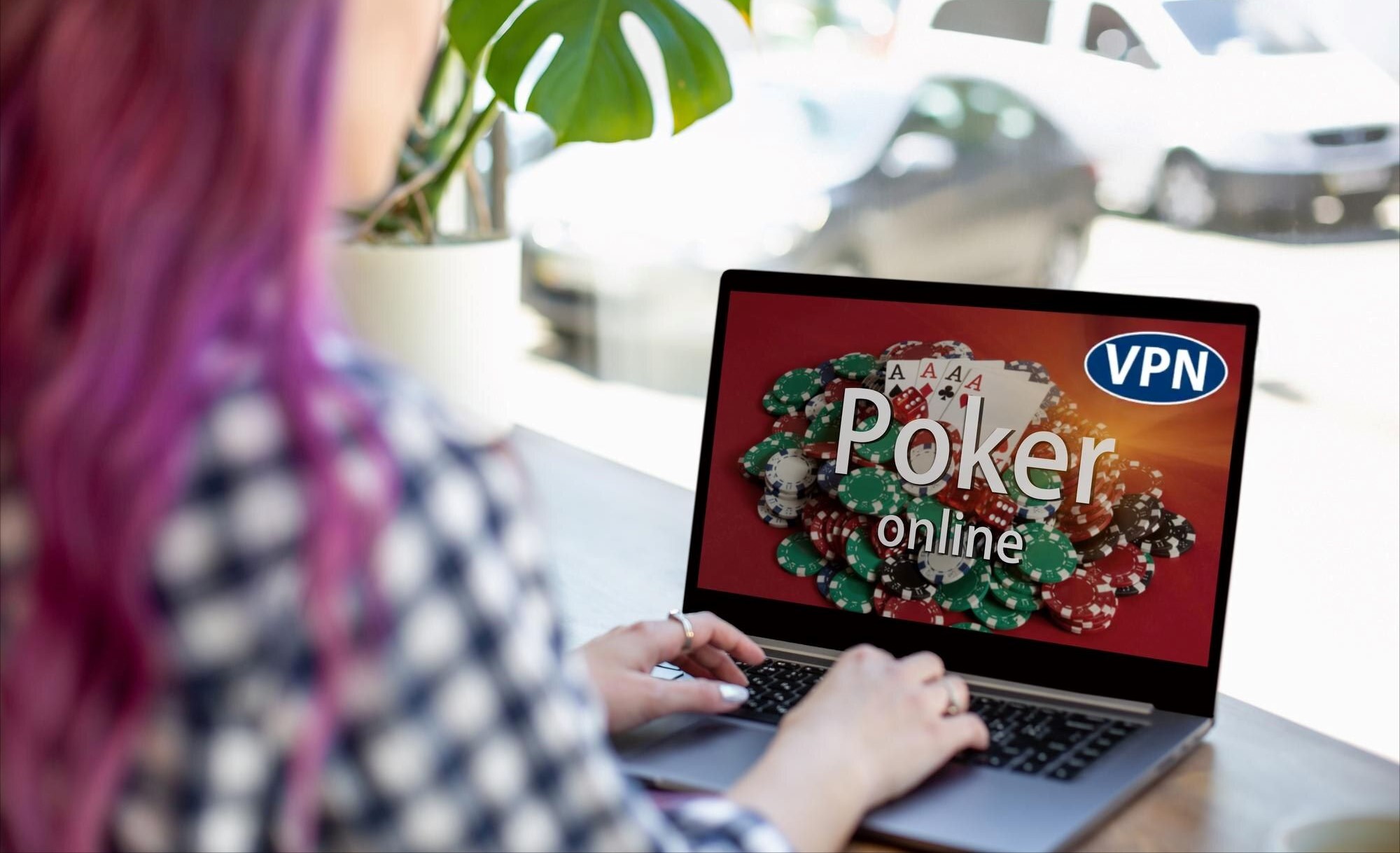
A Virtual Private Network, or VPN, is one of the most powerful tools for enhancing online privacy, especially for South African gamblers who want to keep their location and activity hidden. By routing your internet connection through an encrypted tunnel, a VPN masks your IP address, making it appear as though you’re connecting from a different location. This can help protect against tracking, reduce the risk of data interception, and shield your real identity from gambling platforms. However, using a VPN comes with its own set of rules and risks, as some operators explicitly prohibit it in their terms of service. To use it effectively and safely, it’s essential to follow best practices.
- Always select a VPN provider with a strict no-log policy to ensure that your online activities are never recorded or stored. This prevents any data from being handed over to third parties in case of legal requests or breaches.
- Choose server locations that are permitted by the gambling platform you’re using. Some operators may restrict access from certain countries or regions, so connecting from an unsupported location could lead to blocked access or account issues.
- Be aware of the potential consequences of violating platform rules. Many sites explicitly state in their terms and conditions that VPN use is not allowed. If you’re detected, you could face account suspension, forfeiture of winnings, or permanent bans.
- Opt for a high-speed VPN with strong encryption protocols like OpenVPN or WireGuard to maintain smooth gameplay and avoid lag during live betting or casino games.
- Regularly test your VPN for IP and DNS leaks to confirm that your real location is not accidentally exposed while gambling.
- Use a dedicated IP address from your VPN provider if possible, as this can reduce the risk of being flagged by gambling platforms for suspicious activity.
- Combine VPN use with other privacy measures, such as anonymous payment methods and separate gambling accounts, to create multiple layers of protection.
- Avoid free VPNs, as they often come with slower speeds, weaker encryption, and questionable privacy policies that could compromise your data rather than protect it.
Creating a Separate Gambling Identity
| Practice | Why It’s Important | How to Implement | Benefits | Risks if Ignored |
| Use a Dedicated Email Address | Keeps gambling communications separate from personal or work emails, reducing risk of cross-contamination. | Create a new email account solely for gambling registrations and communications. Avoid using this email elsewhere. | Prevents personal inbox clutter and reduces chances of phishing attacks targeting your main email. | Mixing emails can expose personal contacts to gambling promotions and increase vulnerability if the gambling account is hacked. |
| Avoid Linking to Social Media | Prevents personal social profiles from being connected to gambling activities, protecting your reputation and privacy. | Do not log in to gambling sites using social media accounts. Always register independently. | Keeps your gambling habits private from friends, family, and social media data mining. | Linking accounts can expose gambling habits publicly or through targeted ads, potentially leading to social stigma. |
| Use Strong, Unique Passwords | Ensures that if one gambling account is compromised, other accounts remain secure. | Use a password manager to generate and store complex passwords for each gambling site. Avoid reusing passwords. | Enhances security by minimizing the impact of breaches and prevents credential stuffing attacks. | Reusing weak passwords increases risk of multiple account takeovers and identity theft. |
| Keep Personal Details Consistent but Minimal | Some sites require personal information, but limiting what you share reduces exposure. | Provide only legally required info; avoid sharing extras like full address or phone number unless necessary. | Limits the amount of personal data vulnerable to leaks or misuse. | Oversharing can increase risk of identity theft and makes it easier to link gambling activity to your real identity. |
| Regularly Monitor Gambling Accounts | Staying vigilant helps spot suspicious activity early and maintain control. | Set up alerts for account logins and transactions, and review account statements frequently. | Helps detect unauthorized access quickly, preventing larger issues. | Ignoring account activity can lead to prolonged breaches and financial losses. |
Staying Safe on Mobile Gambling Apps
Mobile gambling apps offer convenience and quick access to your favourite games, but they also come with privacy risks that many players might overlook. Unlike websites accessed through browsers, apps can collect a wider range of personal data, including your location, contact lists, and unique device identifiers. This data can be used for targeted marketing, profiling, or even sold to third parties without your full awareness. Understanding these risks is the first step to protecting your privacy while enjoying mobile gambling.
One of the most important things you can do is carefully review the permissions requested by any gambling app before installing or using it. Many apps ask for access to your location, contacts, camera, or microphone — but these are often not necessary for the app’s core functions. Disabling unnecessary permissions not only limits the data the app can collect but also reduces the chances of privacy breaches or misuse. Make it a habit to revisit app permissions regularly and adjust them if you notice anything unusual or excessive.
If privacy is a top concern, consider using the mobile website version of gambling platforms instead of downloading dedicated apps. Mobile sites generally request fewer permissions and don’t have the same deep access to your device’s hardware or data. They offer much of the same functionality without the additional risks associated with app downloads. Plus, mobile sites are easier to update on the platform’s side, often improving security faster than apps that require manual updates through app stores.
Keeping your device’s operating system and apps up to date is another crucial step in maintaining security. Developers regularly release patches that fix vulnerabilities hackers could exploit to access your data. Running outdated software leaves you exposed to threats that can compromise your gambling accounts and personal information. Regular updates, combined with good security habits like using strong passwords and two-factor authentication, will help ensure your mobile gambling experience stays as safe and private as possible.